The Transit Budget in Congress Only Looks Good in Comparison to Trump’s Threats

Back in March, the Trump administration released a budget proposal that included draconian cuts to transit. White House budgets are just suggestions, however — Congress is where the actual spending legislation gets drafted. Now budget bills are moving through the GOP-controlled House and Senate, and while the threat to transit isn’t as severe as what the administration was calling for, it’s still alarming.
Trump’s unadulterated budget would have zeroed out the major source of federal funding for transit expansion projects, as well as the popular TIGER program that enables cities to directly access federal transportation funds.
Neither the Senate nor the House went that far in budget bills that have passed through the appropriations committees, though the House bill still amounts to a substantial cut to transit. The bills still have to go through floor votes, then conference committee to iron out differences between the two chambers.
Here’s an overview of how the budget bills in each chamber compare to 2017 spending levels and to the Trump administration’s budget request, courtesy of Transportation for America.

The threat to TIGER is still a live issue, even though Congressional reps told Transportation Secretary Elaine Chao it’s their favorite program.
But here’s the rub. U.S. DOT has broad discretion to spend TIGER funding however it wants. Who knows if TIGER will be anything like the Obama administration’s program, which devoted roughly half the funding went walking, biking, or transit projects.
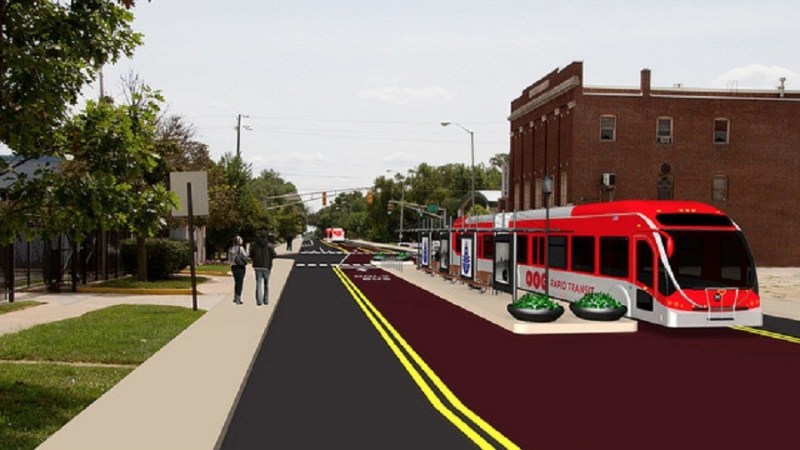
For the transit capital grant program, the House appropriations committee approved a substantial $650 million cut, which only looks good in relation to Trump’s initial position of zero dollars. This level of funding would threaten light rail and bus rapid transit projects in dozens of cities that have banked on federal support.
In the Senate, meanwhile, the cut is a less severe $267 million, or 11 percent compared to 2017 levels. Any reduction in support for transit is a step backward, and in the current political environment, the question is how much damage can be prevented.
The different House and Senate versions set up a showdown in the fall, says Transportation for America’s Steve Davis, and advocates will have to claw to prevent serious cuts to federal transit funding.

Read More:
Streetsblog has migrated to a new comment system. New commenters can register directly in the comments section of any article. Returning commenters: your previous comments and display name have been preserved, but you'll need to reclaim your account by clicking "Forgot your password?" on the sign-in form, entering your email, and following the verification link to set a new password — this is required because passwords could not be carried over during the migration. For questions, contact tips@streetsblog.org.