Why Cities Should Strive for Streets That “Fail”

What makes a good street? Wide, tree-lined sidewalks? A concentration of businesses and activity? Or an unobstructed path to speed through in a car?

Influential engineering metrics only grade streets according to the last question. But Dave Cieslewicz at the Wisconsin Bike Federation writes that if you want walkable, safe urban streets, that’s a test you should fail:
How do we measure a successful street? Well, traditionally we’ve allowed traffic engineers, focused on moving cars, to create that measure. They’ve developed a grading system for streets called “Level of Service” or LOS.
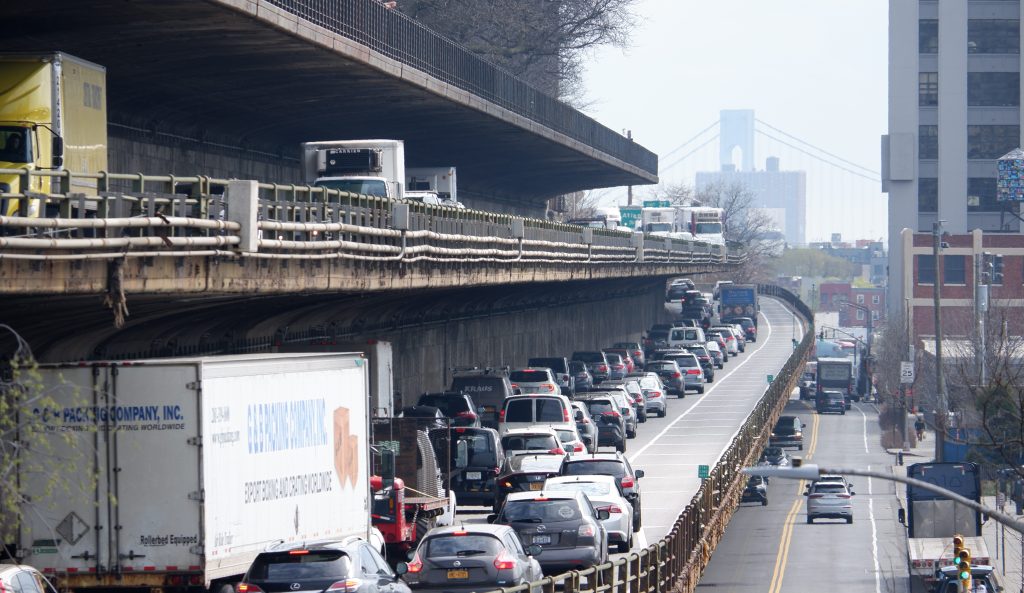
But here’s the problem. If you look at a LOS map of many of the downtowns and neighborhoods that we love the best you’ll see almost nothing but level of service “D” and “F”. In other words, by the measure of moving cars our streets are failing or nearly failing. And if you ranked streets by friendliness to bicyclists and pedestrians the maps would look very different.
At the Pro Walk/Pro Bike conference in Pittsburgh last week I heard a compelling argument to forget about LOS in most urban environments altogether. After all, a city is not a place for cars to move efficiently. And if you make it that you’ve almost certainly lost all the things that make your city a good place to be.
Elsewhere on the Network today: Grist says electric cars aren’t making California’s air any cleaner. And Copenhagenize rips a feel-good street safety PSA that targets pedestrians rather than drivers.

Read More:
Streetsblog has migrated to a new comment system. New commenters can register directly in the comments section of any article. Returning commenters: your previous comments and display name have been preserved, but you'll need to reclaim your account by clicking "Forgot your password?" on the sign-in form, entering your email, and following the verification link to set a new password — this is required because passwords could not be carried over during the migration. For questions, contact tips@streetsblog.org.