How a Lack of Respect Can Literally Erase Bike Lanes

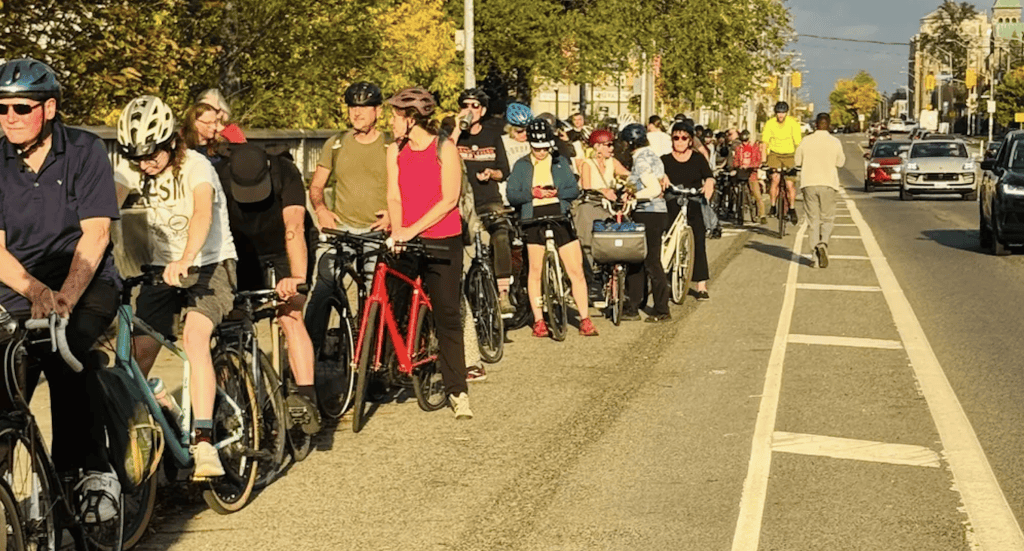
We have bike lanes like this where I live, especially after winter: The ones so faded you can barely make them out.

Scott Shaffer has noticed this problem in Minneapolis, and he makes an interesting point about it at Network blog Streets.mn.
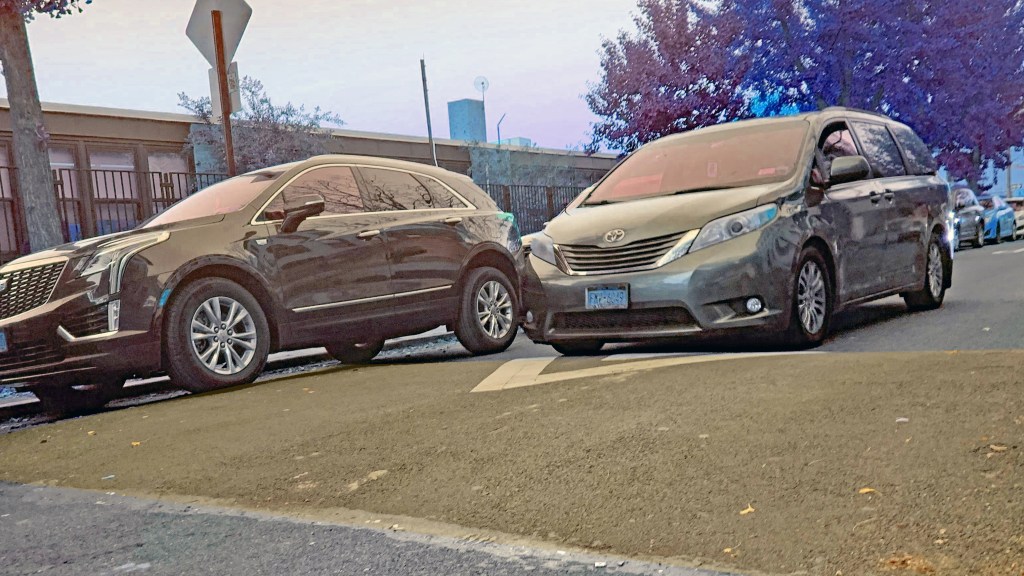
That last photo [at right] is right outside the Minneapolis Bicycle Coalition’s office, poignantly enough. These bike lanes have been erased by cars driving over them. The paint has been worn away.
It’s not just the bare pavement that’s the problem. It’s the etiology of the faded paint that destroys the bike lane. (Etiology means the study of causes. Where there’s smoke, there’s fire, essentially.) A bike facility with faded paint can still function. The paint has faded on park trails and the Midtown Greenway, but these bike facilities still work great. What I’m talking about it when the paint is worn away by a torrent of car tires, which not only removes the paint, but more importantly it weakens the belief that the pavement is dedicated to bicyclists. The street is saying, “Cars drive here. This is not a dedicated space for bikes. Ceci n’est pas une bike lane.”
A bike lane isn’t just a physical thing — it’s a social construct. Like money, it only matters because we all act like it does. Bike lanes serve their purpose if and only if street-users agree that these striped strips of pavement are dedicated for people on bicycles. Not for parking, not for snow storage, not for walking, not for corner-cutting cars, but for bikes. The fading of the paint, and the cause of the fading, erodes this foundation. It erases confidence in the bike lane, not just the paint.
Shaffer notes that drivers respect curbs more than paint. What Minneapolis needs now, he says, is protected bike lanes.
Elsewhere on the Network today: Transportation for America shares President Obama’s warning that federal transportation funding insolvency could cost the nation as many jobs as there are people in Denver. Mobilizing the Region offers a compendium of proposed solutions for the Highway Trust Fund revenue shortfall, and wonders whether Congress will act on any of them. And Keep Kids Alive, Drive 25 argues that Americans’ squeamishness about death prevents us from confronting the serious risks associated with driving.

Read More:
Streetsblog has migrated to a new comment system. New commenters can register directly in the comments section of any article. Returning commenters: your previous comments and display name have been preserved, but you'll need to reclaim your account by clicking "Forgot your password?" on the sign-in form, entering your email, and following the verification link to set a new password — this is required because passwords could not be carried over during the migration. For questions, contact tips@streetsblog.org.