How Cities Should Frame the Way They Think About Mobility


The evidence that our transportation systems are producing less-than-optimal results speaks for itself — whether it’s grinding congestion, obscene traffic fatality rates, or the greenhouse gases we’re spewing into the atmosphere at catastrophic rates.
The situation warrants a new take on how cities approach mobility, writes Mikael Colville-Andersen today at Copenhagenize:
For almost a century we have been asking the same question in our cities.
“How many cars can we move down a street?”
It’s time to change the question.
If you ask “How many PEOPLE can we move down a street?”, the answer becomes much more modern and visionary. And simple. Oh, and cheaper.
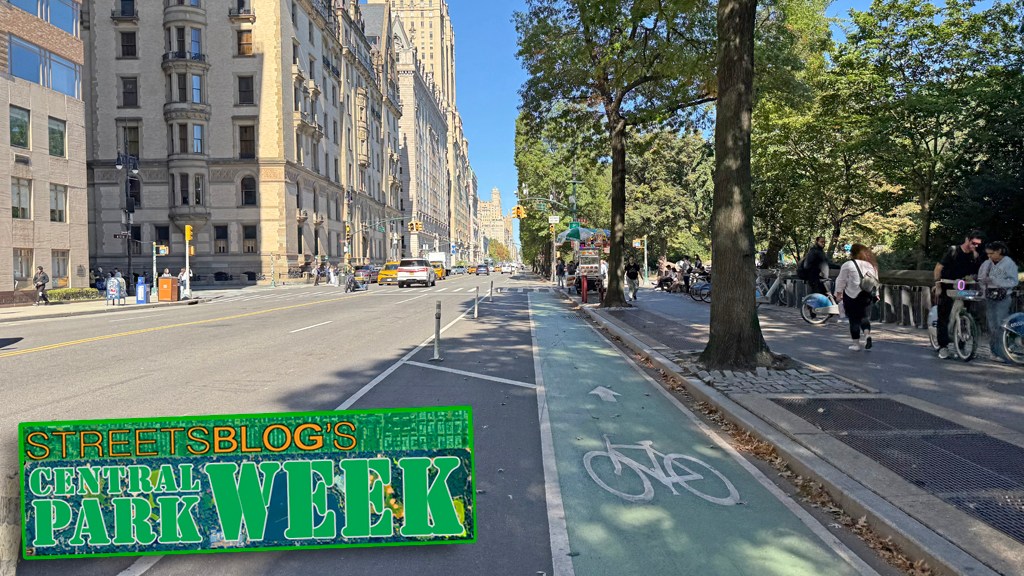
With urbanisation on the rapid rise, we need to think big. Think modern. We need to travel Back to the Future for the solutions that will serve our growing populations best. Cycle tracks. Trams. Wider sidewalks. It’s all right there for the taking if we dare to take it.
Elsewhere on the Network today: Strong Towns explains how Memphis is trying to fix its sprawl problem by increasing street connectivity. Streets.mn goes into the practical limitations of Nice Ride bike-share in the Twin Cities. And The Black Urbanist ponders how “urban” and “suburban” are often misapplied as racial euphemisms.

Read More:
Streetsblog has migrated to a new comment system. New commenters can register directly in the comments section of any article. Returning commenters: your previous comments and display name have been preserved, but you'll need to reclaim your account by clicking "Forgot your password?" on the sign-in form, entering your email, and following the verification link to set a new password — this is required because passwords could not be carried over during the migration. For questions, contact tips@streetsblog.org.