Reforms to Parking Minimums on the Table for Many NYC Neighborhoods


Last month, the New York Times gave some much-deserved attention to the parking reforms working their way through the Department of City Planning. In a pair of articles, real estate reporter Marc Santora revealed how efforts to reform the city’s outdated parking minimums, which promote driving and make housing less affordable, are progressing. (Santora unfortunately made a number of factual errors — misstating the extent of parking maximums in Manhattan, for example.)
Streetsblog checked in with the planning department and can confirm: Parking minimum reform is moving forward faster than expected, with Downtown Brooklyn taking the lead, and could cover a wide swath of the city. At the same time, City Planning is also looking to weaken the Manhattan core’s existing parking maximums near hospitals, in the theater district, and at other locations where the agency deems drivers to be economically important.
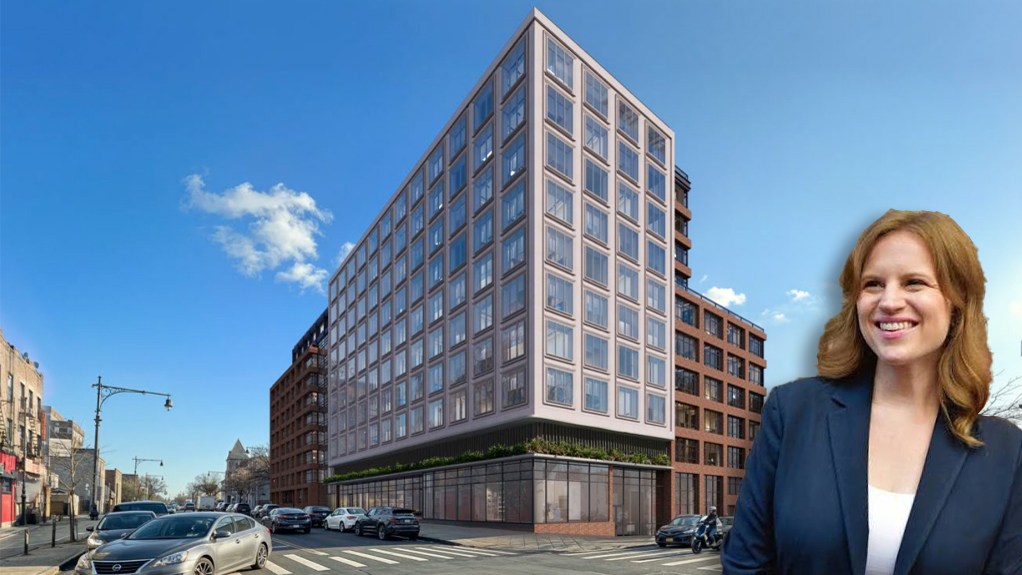
Rather than issue a sweeping proposal for the entire “inner ring” of neighborhoods around Manhattan’s central business districts, DCP will first issue a proposal for Downtown Brooklyn, said a department spokesperson. According to Santora, City Planning is likely to recommend eliminating parking requirements entirely for the area, one of the most transit-rich in the country.
The phased approach suggests a political strategy on the part of DCP. While City Planning sustainability director Howard Slatkin has stated that parking minimums are a concession the department needs to make to prevent local opposition to new development, that isn’t a problem in Downtown Brooklyn. There, businesses and developers have been lobbying for years to reduce or eliminate parking minimums, and City Council Member Steven Levin’s office has indicated support for such a reduction in the past.
Reforms for other neighborhoods could come out shortly thereafter. DCP told Streetsblog that the broader inner ring study was nearly complete and would cover all of Upper Manhattan, the South Bronx, Queens from Long Island City and Astoria to Corona, and Brooklyn from Greenpoint to Sunset Park and East New York (the Times only mentioned Brooklyn in its coverage).
It appears less likely that DCP will eliminate parking minimums in these neighborhoods, though strong advocacy from residents and politicians could change that. The inner ring study will treat each of these neighborhoods differently, said DCP, and let each community weigh in on the specific changes to parking regulations in their neighborhood.
At the same time, however, DCP confirms that it is considering weakening parking restrictions near Manhattan hospitals and in the theater district. Most of the reforms DCP is proposing for the Manhattan core would improve the successful policy of limiting parking, tightening up some loopholes. In these areas, however, the agency appears to be making it easier to build more parking than allowed under the area’s tight maximums.
Santora incorrectly identified the criterion for allowing more parking as “neighborhoods that rely on commuters” — Midtown has far more commuters, of course, but they nearly all ride transit to work. Planners’ real rationale: Hospital users need to arrive by car, said a spokesperson, while many theatergoers already drive; both, she said, are economically critical to the city.
Santora reported that City Planning would begin holding public meetings on the parking reforms “in coming weeks.” The timetable is better measured in months, but even so, that’s an accelerated schedule for a discussion of the city’s parking minimums. Previously, DCP was expected to turn to parking minimums only after it had completed its proposed reforms for the Manhattan core’s parking maximums, which are seen as more politically manageable.

Read More:
Streetsblog has migrated to a new comment system. New commenters can register directly in the comments section of any article. Returning commenters: your previous comments and display name have been preserved, but you'll need to reclaim your account by clicking "Forgot your password?" on the sign-in form, entering your email, and following the verification link to set a new password — this is required because passwords could not be carried over during the migration. For questions, contact tips@streetsblog.org.