Moving Beyond the Automobile: Bicycling

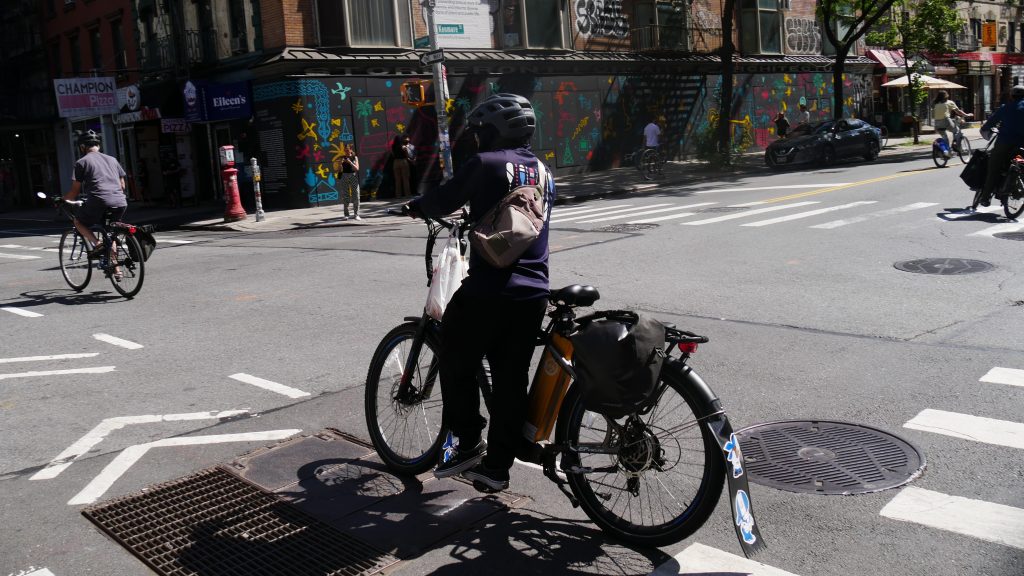
In the second chapter of Streetfilms’ Moving Beyond the Automobile series, we’re taking a look at bicycling.
The benefits of cycling are simple: It helps reduce congestion, meet sustainability goals, and improve public health. With Portland leading the way, many American cities have seen the share of people biking to work rise substantially in recent years [PDF]. For this video we spent some time with leading thinkers in New York, San Francisco and Portland to discuss how safer cycling infrastructure is helping more people make the choice to bike.
This series is made possible by funding from The Oram Foundation’s Fund for The Environment & Urban Life.

Streetsblog has migrated to a new comment system. New commenters can register directly in the comments section of any article. Returning commenters: your previous comments and display name have been preserved, but you'll need to reclaim your account by clicking "Forgot your password?" on the sign-in form, entering your email, and following the verification link to set a new password — this is required because passwords could not be carried over during the migration. For questions, contact tips@streetsblog.org.