Study: Kids Who Live Near Freeways Have Trouble Breathing

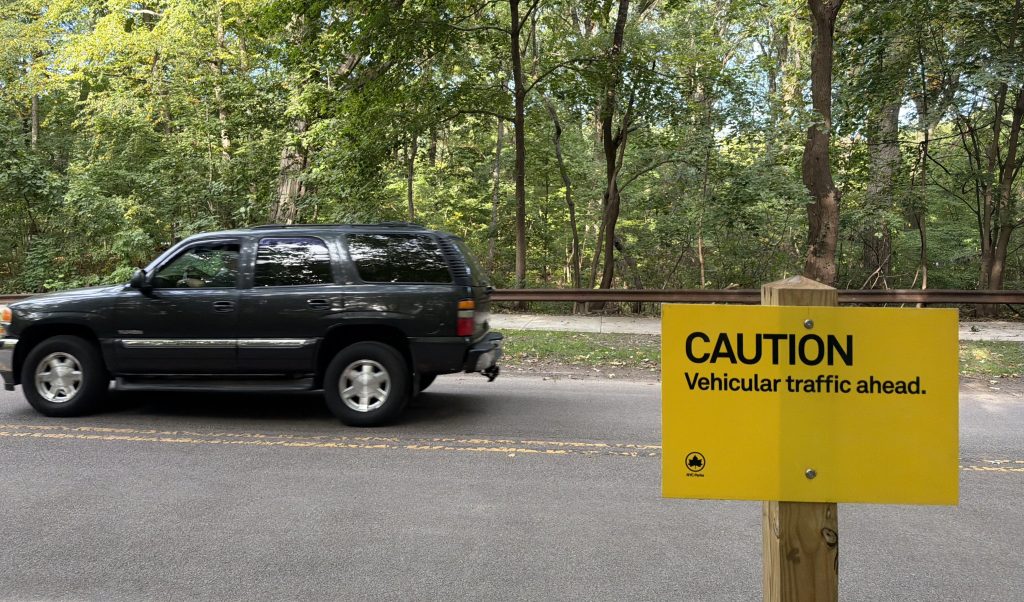
A new study to be published in the Feb. 17 issue of the Lancet makes a strong case for the link between proximity to vehicular traffic and poor lung function in children. An article on Medical News Today sums up the report, which is currently available online to Lancet subscribers.
[R]esearchers at the Keck School of Medicine of the University of Southern California (USC) found that children who lived within 500 meters of a freeway, or approximately a third of a mile, since age 10 had substantial deficits in lung function by the age of 18 years, compared to children living at least 1500 meters, or approximately one mile, away.
“Someone suffering a pollution-related deficit in lung function as a child will probably have less than healthy lungs all of his or her life,” says lead author W. James Gauderman, Ph.D., associate professor of preventive medicine at the Keck School of Medicine of USC. “And poor lung function in later adult life is known to be a major risk factor for respiratory and cardiovascular diseases.”
There’s also a story on the report in today’s New York Times.
The study is based on research done in suburban areas of California, where sprawling development means houses and schools close to freeways. But we here in New York have plenty of housing and schools next to highways, and a childhood asthma epidemic.
Thanks to the city’s rampant real estate development, these days it’s not just low-income housing that’s crowded up against major roadways in New York; it’s luxury condos and rental apartments as well. What might happen if the same people who wouldn’t dream of feeding their kids anything but organic applesauce suddenly woke up to the idea that breathing in the pollution spewed by cars and trucks could well have lifetime negative effects on their children’s health?
Maybe if people with the paychecks to buy million-dollar penthouses or brownstones in swank neighborhoods start agitating, politicians might one day pay at least as much attention to exhaust fumes as they do to second-hand smoke.

Read More:
Streetsblog has migrated to a new comment system. New commenters can register directly in the comments section of any article. Returning commenters: your previous comments and display name have been preserved, but you'll need to reclaim your account by clicking "Forgot your password?" on the sign-in form, entering your email, and following the verification link to set a new password — this is required because passwords could not be carried over during the migration. For questions, contact tips@streetsblog.org.