Streetsblog
Top Categories
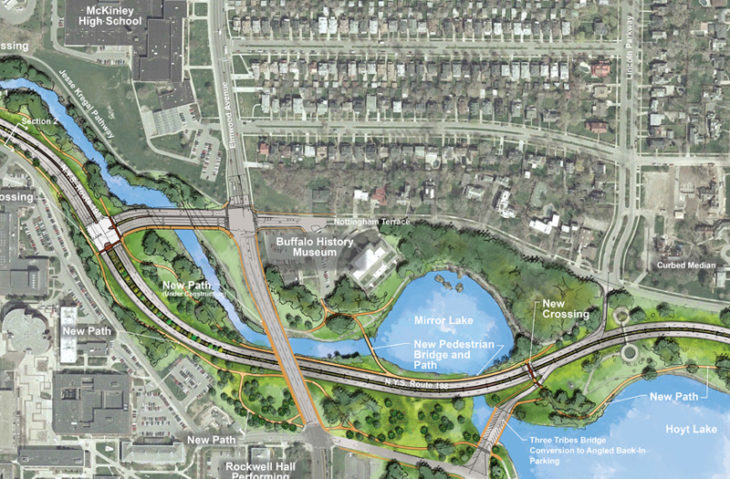
New York State DOT on Track to Botch Highway Removal in Buffalo
Local advocates warn that the agency's replacement design allocates too much space for cars and not enough for people.

December 12, 2016
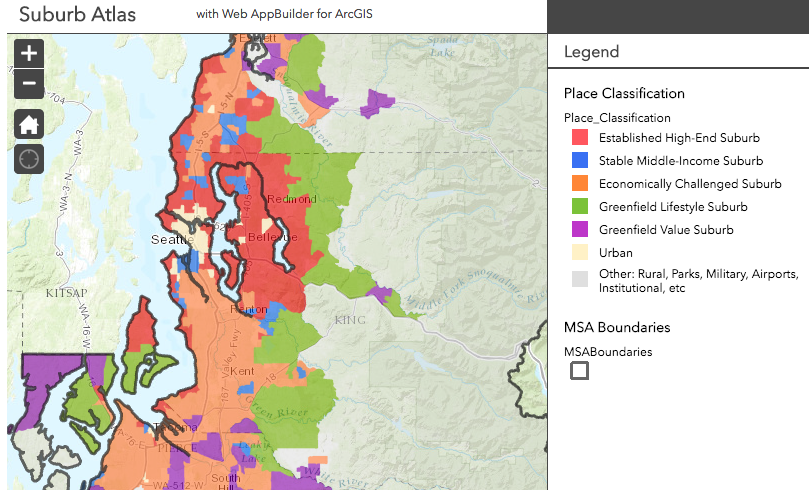
How Much of Your City Is Really Urban?
Many places that get categorized as "suburbs" are actually pretty urban. But the inverse is also true: Large portions of nearly every American city are pretty spread out and suburban in character.
December 9, 2016
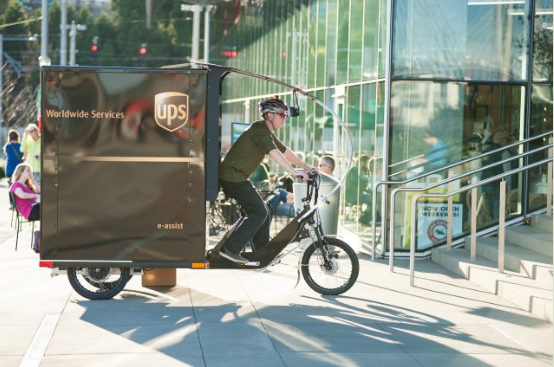
UPS Begins Delivering Packages via E-Trike in Portland
Delivery trucks are terrible for city streets, polluting the air, blocking bike lanes, endangering pedestrians and cyclists.
December 8, 2016
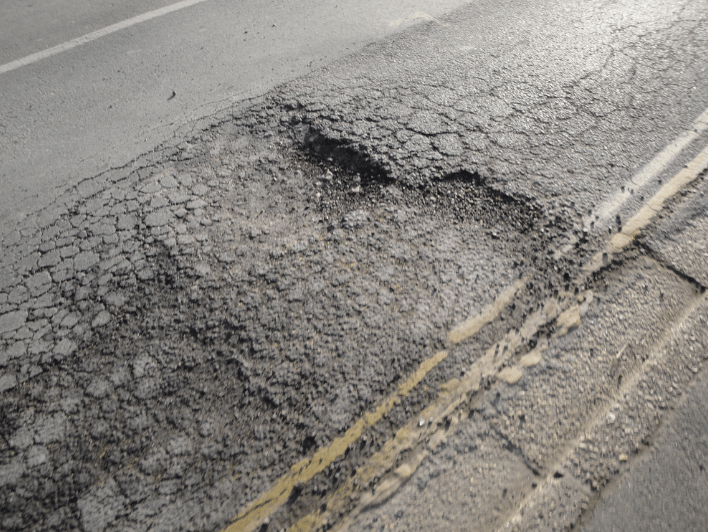
How to Spend a Fortune on Roads and Make Potholes Worse
Simply spending a lot on infrastructure is no guarantee of better transportation conditions. It can easily make things worse.
December 7, 2016
Beyond Bike to Work Day: How to Encourage the Car-Free Commuting Habit
Annual events like Bike to Work Day are great for drawing attention to sustainable transportation options. But what can cities do to get people to consider car-free commuting the rest of the year?
December 6, 2016
This Week: Speak Up for a Safer Dyckman Street
Upper Manhattan advocates have been asking DOT for a protected bike lane on Dyckman Street for nearly a decade.

December 5, 2016
From Pennsylvania, a Preview of How Trump & Co. Might Bully Cities
How much will cities be threatened by the impending Trump presidency? An early front in this confrontation concerns immigration.
December 5, 2016
Seattle Transit Agencies Move Toward Mobile Ticketing
We have the technology to make transit fare payment faster and more convenient. Agencies around the world are making progress on fare collection innovations that improve riders' experience -- with benefits like shorter trip times, getting more transit trips for your buck, and demystifying the process of buying a fare for new riders.
December 2, 2016
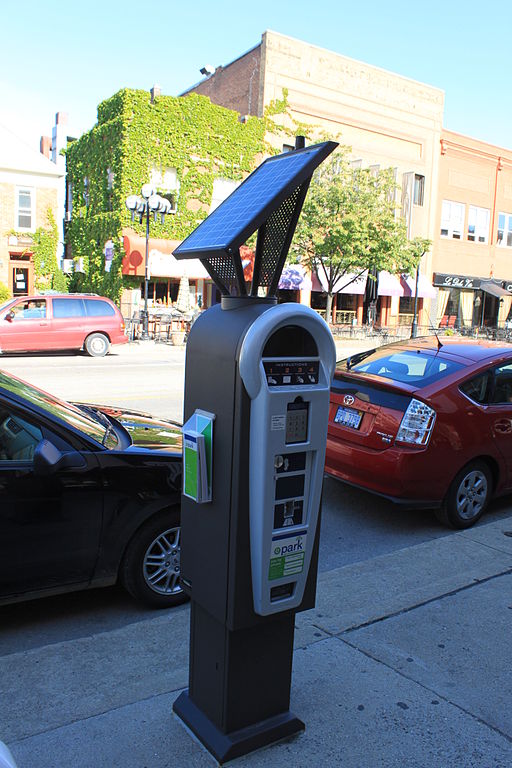
Getting On-Street Parking Tech Right
Getting the price of on-street parking right is important for commercial areas in cities. Setting prices to ensure that about one space per block remains open reduces double-parking, cuts down on unnecessary traffic, and can speed up buses as a result.
December 1, 2016
Old Places Built for Driving Are Failing New Residents Who Don’t Own Cars
In Prince George's County, outside Washington, D.C., current residents get around by walking and transit, even though the area was built for cars.
November 30, 2016