After Jerry: Three People Who Want To Succeed Nadler in Congress Court Streetsblog Readers (Update: Four!)
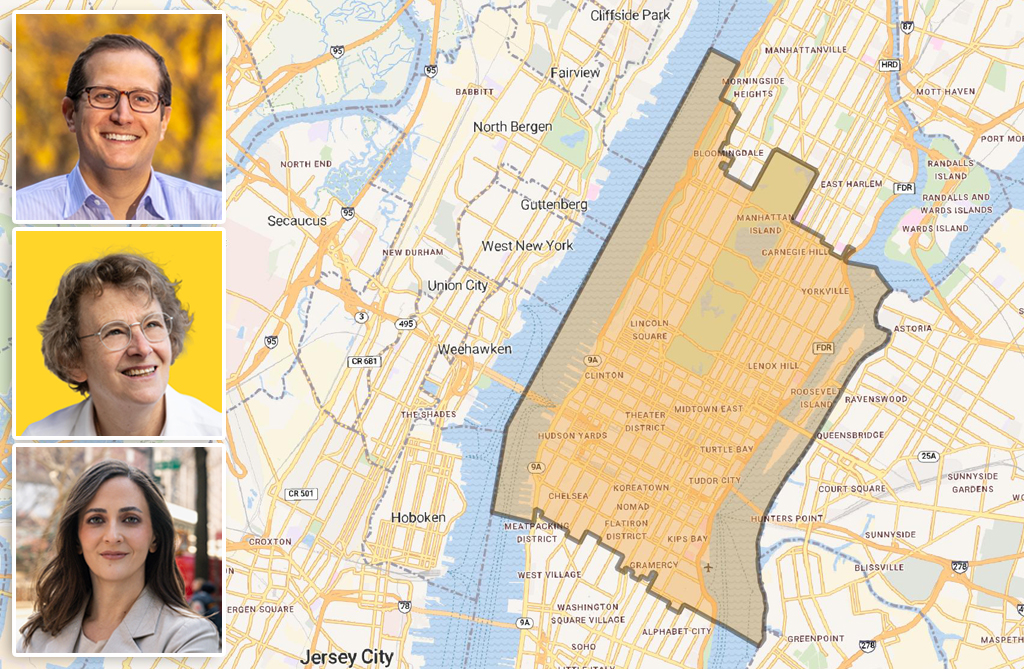
Every two years at this time, we ask Congressional candidates a series of questions to determine if they truly support the livable streets movement or are merely paying lip service. Today, let’s hear from three candidates in the June 23 Democratic primary for the 12th Congressional District that comprises the Upper East and Upper West sides: Assembly Member Micah Lasher, lawyer Laura Dunn, public health advocate Nina Schwalbe. We know you’d also love to hear from candidates Jack Schlossberg, Christopher Diep, George Conway and Patrick Timmins, but they declined multiple opportunities to respond. After initial publication of this story, Assembly Member Alex Bores responded after many weeks of reminders.
1. What can you do — as a lone member of Congress — to make the federal government more responsive to the needs of cities?
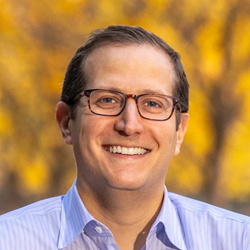
Micah Lasher: I believe that a new member of Congress can bring new ideas and exert internal pressure that helps drive change within the Democratic Party and leads to substantive and political victories. That is what I aim to do if I am elected as a member of the House.
It is exactly what I’ve done as a member of the state Assembly, where I developed a body of legislation aimed at pushing the legislature and my party to be clearer about our values in this moment, including:
- The MEGA Corporations Act, which would recover $800 million in taxes being avoided by large multinationals that are hiding their profits overseas;
- Legislation to allow New Yorkers to sue ICE agents, and other federal officials, who deprive them of their constitutional rights, known as a “converse 1983” statute;
- Legislation to allow state-level enforcement of the Fair Housing Act as Trump halts this work at the Federal level; and
- A constitutional amendment to allow New York to pursue mid-decade redistricting in response to the actions of Texas and other red states.
I would bring this same energy to Congress to push the Democratic caucus to be more aggressive and more creative in fighting back and rebuilding faith with the American public, as well as to deliver tangible victories for our city.
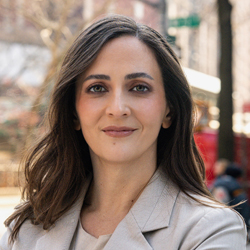
Laura Dunn: “Cities like New York are economic engines, cultural centers, and home to millions of working people, yet too often federal policy is written without fully understanding the realities of urban life. While a single member of Congress cannot solve every problem alone, effective legislators build coalitions, shape negotiations, and help move policy forward.
My background has taught me how to bring people together across sectors and perspectives to solve difficult problems, and I would bring that same approach to Congress. That means building bipartisan relationships where possible, organizing voting coalitions around shared priorities, and working strategically to advance legislation that addresses the needs of cities like New York. At the same time, when fundamental rights, democratic institutions, or critical protections are under threat, members of Congress also have tools to slow or block harmful legislation, including procedural opposition and filibuster efforts in coordination with Senate allies.
I’m also already part of a national network of reform-minded leaders as a Courage Candidate through Courage for Democracy, which is focused on defending democracy, strengthening institutions, and supporting candidates committed to principled leadership and coalition-building. Those relationships matter when it comes to advancing serious federal policy.
I would fight for federal investments in public transit, affordable housing, climate resilience, and public health while ensuring New York City has a stronger voice in national policymaking. Most importantly, I would run an accessible and accountable office that stays deeply connected to the people and neighborhoods of NY-12.
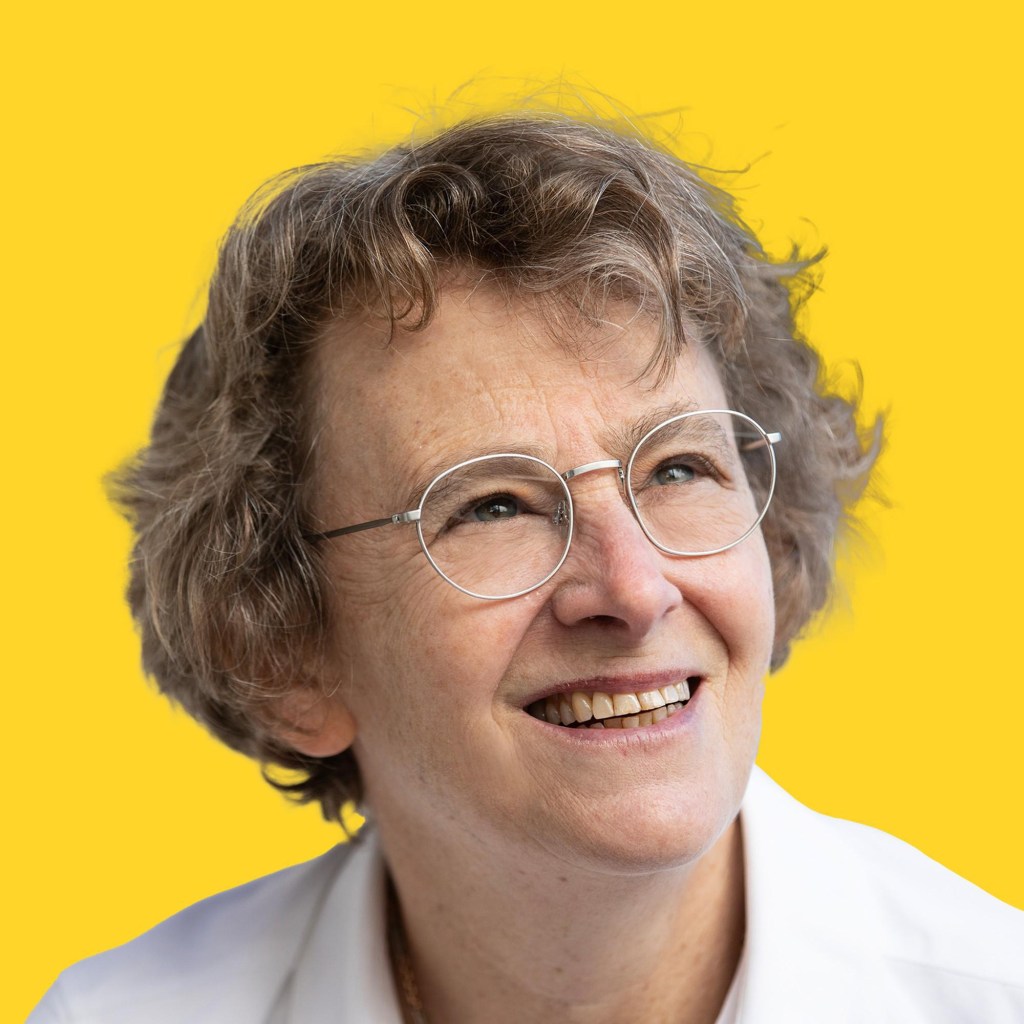
Nina Schwalbe: As someone who has spent my career working with communities, public institutions, and governments at every level, I know that too often decisions made in Washington happen to cities rather than with them. A single member of Congress cannot solve every challenge facing our cities, but we can be an effective advocate and watchdog.
I also believe accountability has to go both ways. That’s why I would create community scorecards that allow constituents to regularly evaluate both my office and federal programs operating in the district. Residents should have a clear way to report whether housing assistance, transportation investments, public health programs, or small business supports are actually meeting their needs. Those scorecards would help identify gaps, guide my legislative priorities, and provide evidence when pushing federal agencies to improve their performance.
I would also use Congress’s oversight powers aggressively. If federal agencies are failing to deliver services efficiently or equitably, Congress has a responsibility to investigate, demand answers, and push for reforms. This include utilizing Key Performance Indicators (KPIs) to ensure that federal programs are meeting key metrics and targets. And I would work with colleagues representing urban communities across the country to build coalitions around shared priorities such as affordable housing, public transit, public health, climate resilience, and economic development.
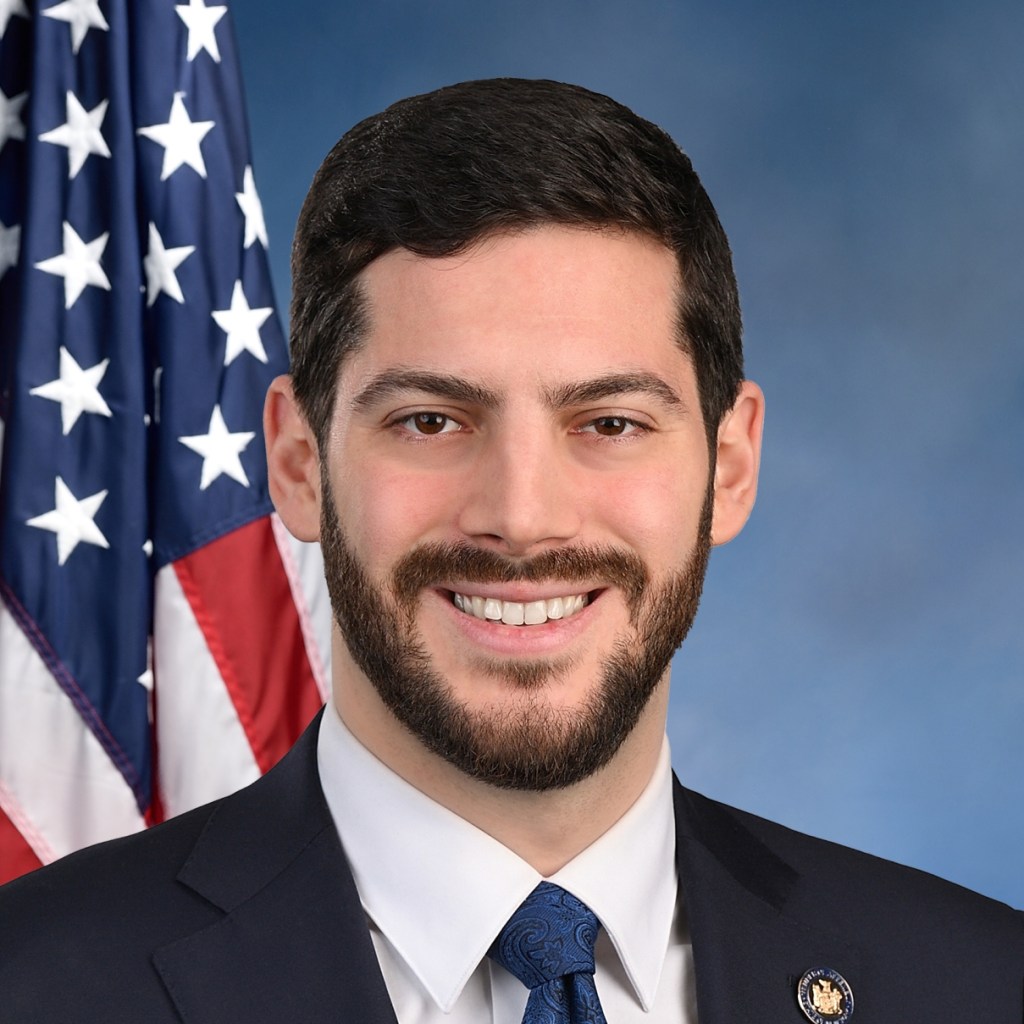
Alex Bores: I can bring funding back to this district. In the State Assembly, I have already secured more than $50 million for organizations serving NY-12, and I would bring that same focus on delivering results to Congress. NY-12 needs more money for major infrastructure projects, including the Gateway Tunnel, the Penn Station redesign, the Second Avenue Subway, and more, and we need to bring home federal funding to fully support them at a time when Washington is becoming increasingly hostile to New York City. I will also fight to fully fund NYCHA and help address its multi-billion-dollar capital backlog.
2. Tens of thousands of New Yorkers are injured in hundreds of thousands of reported crashes every year. What is the primary reason for that — and what should the federal government do to change that?
Lasher: The primary driver of traffic crashes and fatalities is street design that prioritizes vehicle speed over the safety of pedestrians, cyclists, and drivers. The federal government should make street safety a condition for transportation funding, expand the Safe Streets and Roads for All program, and support automated traffic enforcement such as speed and red light cameras. We also need safer street design that ensures vehicles do not endanger the communities most at risk, including seniors, children, disabled New Yorkers, and cyclists.
Dunn: Tens of thousands of New Yorkers — including drivers, pedestrians, cyclists, and transit riders — are injured in traffic crashes every year because our transportation system too often prioritizes speed and convenience over public safety. The biggest causes are distracted driving, speeding, dangerous street design, inadequate pedestrian protections, and larger vehicles with poor visibility and deadly blind spots.
Technology has also become part of the problem. Drivers are increasingly surrounded by touchscreens, notifications, and in-car systems that pull attention away from the road. Federal safety standards should require hands-free technology and smarter vehicle design that keeps drivers’ eyes on the road and reduces distraction.
We also know safer models exist. Cities around the world that have adopted “Vision Zero” strategies — designed around the elimination of traffic deaths — have shown that investments in safer intersections, traffic calming, protected bike lanes, better crosswalks, lower-speed corridors, and reliable public transit can dramatically reduce fatalities and serious injuries.
The federal government should incentivize these proven safety measures in transportation by offering such infrastructure funding. Congress should also strengthen vehicle safety standards, especially for SUVs and larger vehicles that pose greater risks to pedestrians and cyclists. Traffic deaths are not inevitable. With smarter infrastructure, safer technology, and better public transit, we can build streets that are safer and more accessible for everyone.
Schwalbe: For decades, our transportation system has been designed around moving vehicles quickly rather than moving people safely. When streets prioritize speed over safety, the predictable result is more crashes and more severe injuries.
This is not just a matter of individual behavior. Dangerous street design, inadequate transit options, distracted driving, vehicle size and weight, and insufficient investment in pedestrian and cyclist safety all contribute to a system that puts people at risk. The fact that thousands of New Yorkers are seriously injured every year should be treated as a public health crisis.
First, we need to invest far more in proven safety measures such as protected bike lanes, safer intersections, traffic calming infrastructure, and accessible pedestrian improvements. Second, we need stronger vehicle safety standards. E-Bikes capable of moving over 20 mph need to be classified as a voter vehicle, with requirements for safety training and a license. Finally, expanding reliable public transit is one of the most effective traffic safety strategies available. Every time someone has a safe, affordable alternative to driving, we reduce congestion, lower emissions, and decrease the risk of crashes.
Bores: I take this personally; both my father and I have been hit by drivers while biking. Too often, we design our streets and our vehicles around speed and the convenience of cars, and federal vehicle safety standards have let cars and trucks get taller, heavier, and more lethal. A pedestrian struck by a tall-hooded SUV is far more likely to die than one hit by a sedan. I would support regulation to improve vehicle safety and would invest in pilots of intelligent speed assistance.
3. The federal government has broad regulatory oversight over many aspects of our built environment. What are the levers you can’t wait to get your hands on?
Lasher: This district has significant long-term infrastructure needs. I will fight for increased Federal investment in transportation and infrastructure projects, from improving and expanding our subway system (Second Avenue Subway; extension of the 7 Train to 41st and 10th; overhauling signaling systems; making more stations accessible, faster) to a comprehensive renovation of Penn Station that prioritizes the needs of the community.
I will also work tirelessly to restart federal investment in sustainable infrastructure and renewable energy — supporting both the Green New Deal and the Green New Deal for Housing. And, we desperately need to build more housing in the United States, including housing that is affordable to low- and middle-income Americans, and to reinvest in and upgrade our stock of public housing. In Congress, I will support a major expansion of Section 8 vouchers and bills like the Build More Housing Near Transit Act, as well as increasing federal funding for much-needed NYCHA repairs.
Dunn: If elected to Congress, one of my top priorities would be strengthening democratic institutions and restoring public trust in government by confronting corruption directly — no matter how powerful the individuals involved may be.
That includes aggressive oversight of executive power, full accountability for corruption connected to Donald Trump and members of his administration, and serious investigation into foreign influence in American politics and institutions. The American people deserve to know whether wealthy interests, foreign governments, or politically connected individuals have compromised public decision-making. That also means pursuing full transparency and investigation into the Epstein scandal, including any networks of abuse, coercion, financial corruption, or foreign influence that may have intersected with it. Accountability cannot depend on wealth, fame, or political status.
For me, the core question is whether government is working for ordinary people or for concentrated wealth and power. Too often, it is the latter, and that has to change.
Schwalbe: One of the biggest mistakes we make in public policy is treating the built environment as separate from public health, economic opportunity, and climate resilience. In reality, the way we design our communities shapes everything from housing affordability and transportation access to health outcomes and economic mobility.
I am particularly excited about the federal government’s ability to align transportation, housing, and health policy around people rather than cars. That means using federal transportation funding to prioritize safety, accessibility, and emissions reductions; strengthening Complete Streets requirements; and expanding support for transit-oriented development so that more people can live near jobs, schools, and public transportation. I also want to use federal housing programs to encourage the construction of more affordable homes in high-opportunity communities. We cannot solve the affordability crisis without building more housing, and the federal government can help remove barriers while ensuring new development remains equitable and sustainable.
Bores: Our environmental regulations harm, rather than help, the cause of public transit, and I am excited to reverse that trend in Congress. I was proud to support SEQRA reform in the state Assembly and would work to fix NEPA and other well-intentioned environmental regulations so that they speed up, not slow down, green transit-friendly projects. Right now it costs us more and takes us longer to build a mile of subway than almost anywhere on earth, and that’s a policy choice we can reverse. I also am excited about nationalizing a model I supported in the Assembly that places assessments on fossil fuel companies and uses the money to fund climate-resilient infrastructure.
4. Car owners dislike bike and bus lanes and would prefer to have that space for parking. What do you think?
Lasher: Bike and bus lanes make our streets more efficient and safer for pedestrians, riders, and drivers. At the same time, the best street design decisions happen when we genuinely engage the people who live and work on those blocks, including community members and local elected officials. I believe we can move forward on improving street safety while making sure we meaningfully engage all stakeholders.
Dunn: In New York City, owning a car is increasingly becoming a luxury. Between rising insurance costs, congestion pricing, and higher gas prices, many working- and middle-class families are feeling squeezed.
At the same time, the reality is that the vast majority of NY-12 residents do not own a private car or rely on one for their daily commute. Most people get around by subway, bus, walking, biking, taxis, and ride share — transportation options that also help reduce congestion and carbon emissions across the city.
That means the conversation cannot simply be framed as “cars versus bikes or buses.” We need a balanced transportation system that prioritizes accessibility, affordability, and quality of life for everyone.
Curbside space is limited and incredibly valuable, especially for residents, tradespeople, home health aides, delivery workers, and small businesses that depend on vehicles to serve our communities. Street parking policy should reflect those realities by prioritizing full-time New York City residents and essential service workers. Residents should have reliable access to parking within their neighborhoods, while non-residents should be pushed to parking garages at a cost that helps maintain our infrastructure.
We also need smarter street management overall: expanding loading zones for businesses and deliveries, cracking down on double-parking and blocking the box, and ensuring public transportation remains safe, reliable, and affordable for all New Yorkers.
Schwalbe: Bike and bus lanes are a necessary part of our city’s grid.
Bores: I support bus and bike lanes and “The High Cost of Free Parking” is one of my favorite books
5. How do you get around your district?
Lasher: Bike, on foot, bus, subway, private car
Dunn: Bike, on foot, subway
Schwalbe: Bike, bus, subway
Bores: On foot, bus, subway and since NY-12 includes Roosevelt Island, the tram.
Read More:
Streetsblog has migrated to a new comment system. New commenters can register directly in the comments section of any article. Returning commenters: your previous comments and display name have been preserved, but you'll need to reclaim your account by clicking "Forgot your password?" on the sign-in form, entering your email, and following the verification link to set a new password — this is required because passwords could not be carried over during the migration. For questions, contact tips@streetsblog.org.