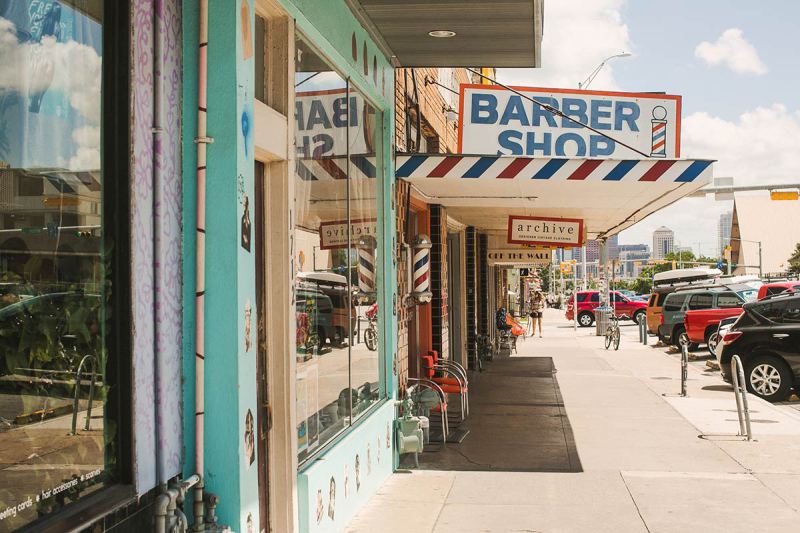
Austin May Cut Parking Requirements By Nearly 50 Percent
Austin is in the process of overhauling its zoning code -- an initiative called CodeNext -- and one of the most promising aspects is a major reduction in parking requirements. If the current draft holds up, the effects on walkability, housing affordability, and water quality could be impressive.

March 1, 2017
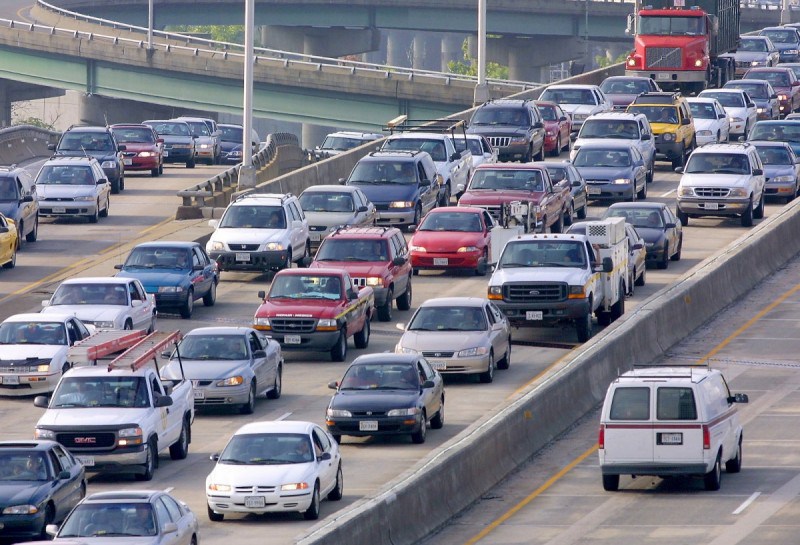
Why Do We Still Pay People to Drive to Work?
The federal government spends $7 billion annually subsidizing parking for car commuters -- almost as much as it spends annually on transit. No wonder cities are so congested. If we're going to cut traffic in major cities, parking subsidies have got to go.
February 28, 2017
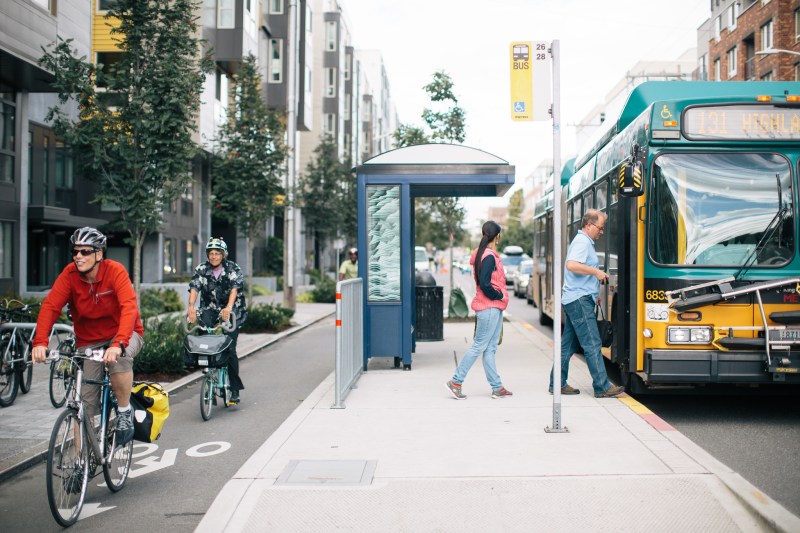
Transit Ridership Falling Everywhere — But Not in Cities With Redesigned Bus Networks
Transit ridership decreased in almost every major American city last year. But there were two notable exceptions -- Seattle and Houston. Those two outliers share one thing in common: In addition to expanding light rail, they're both redesigning their bus networks.
February 24, 2017
What If State DOTs Listened to Cities Before Starting Urban Projects?
It's not uncommon for bitter disputes to develop when state DOTs come into urban neighborhoods and start making changes to state-controlled streets. Pennsylvania DOT has a different idea: Rather than just muscle everything through, the agency will incorporate local ideas before engineering and design work gets started.
February 24, 2017
Why Is Portland’s Transit Chief Advocating for More Highways?
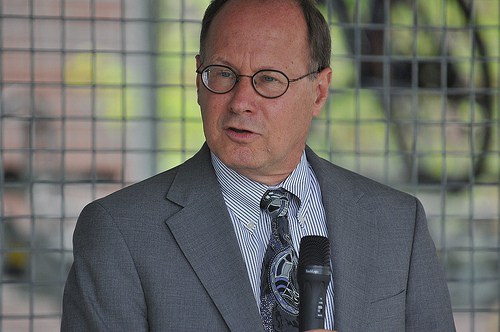
After suffering an embarrassing defeat a year ago, the Oregon highway lobby is rattling the can for more money again. They have a list of highways they want to widen, and they say Portland's economy depends on it. In addition to the usual suspects, the highway cheerleaders include Neil McFarlane, general manager of TriMet, the regional transit agency.
February 23, 2017
Why Seattle Should Boot Cars Off Its Busiest Street for Buses
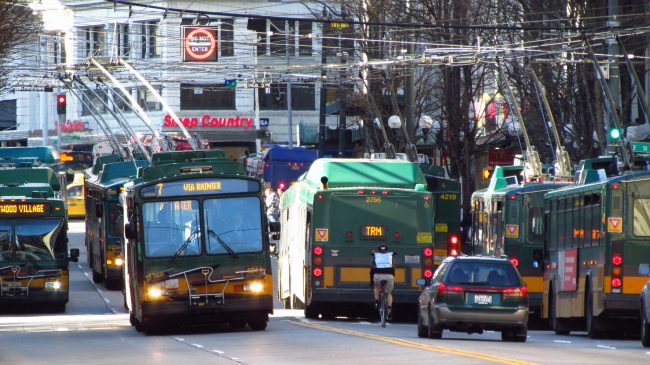
Seattle is booming, and in downtown, transit has been absorbing most of the city's growth in travel. With the streets full during rush hour, the only way to increase capacity is to reallocate street space from cars to more compact modes like buses and bikes.
February 22, 2017
America Builds Too Many Schools By Highways
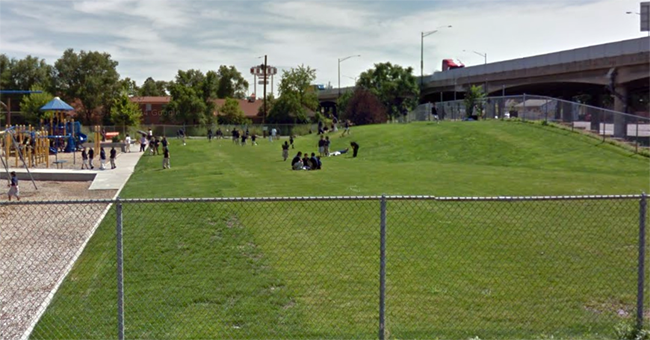
One in 11 U.S. public schools are within 500 feet of a highway, exposing 4.4 million children to elevated levels of pollution, putting kids at elevated risk of developing asthma. But cheap land remains alluring to school districts, and America's system of school siting is not getting better.
February 21, 2017
A Six-Point Plan to Cut Traffic
If we're going to create a safer transportation system, we're going to have to drive less, and a new study of travel and development patterns in Massachusetts sheds light on what can be done to cut down on traffic. Here are the six factors researchers identified that affect the amount people drive.
February 21, 2017
Kansas City Will Take a Serious Look at Removing Downtown Highway
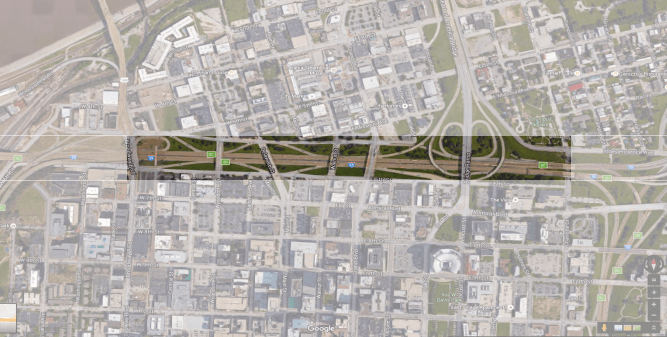
Rochester just converted part of its Inner Loop highway into a surface street, a similar project is underway in New Haven, and freeway teardowns are in play in many other American cities. Now you can add Kansas City to the list of places getting serious about removing a highway to save money, improve walkability, and open downtown land for development.
February 17, 2017
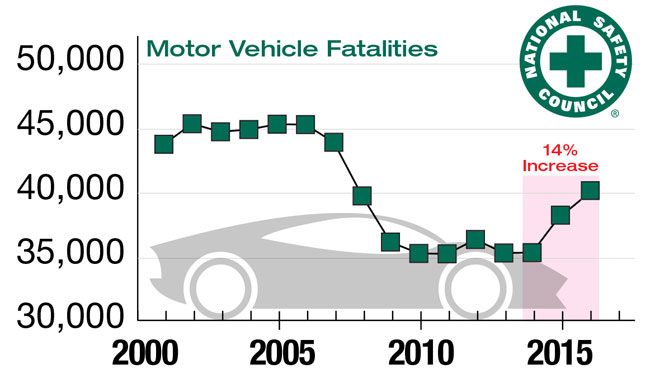
America’s Traffic Death Toll Is a National Disgrace
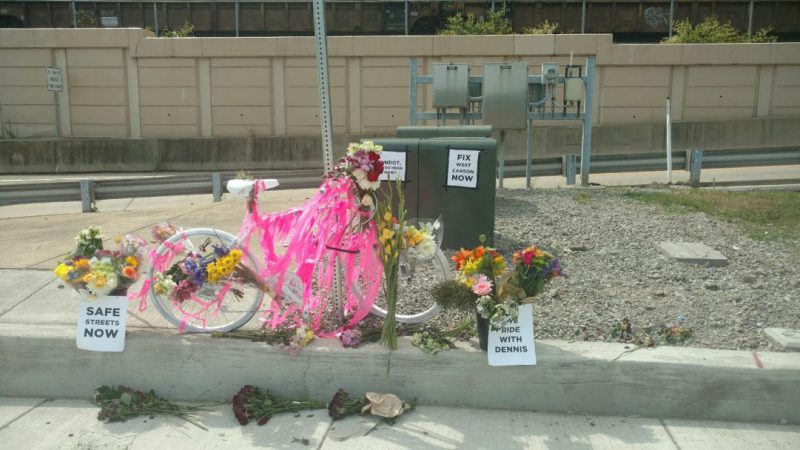
More than 40,000 Americans were killed in traffic last year, according to new estimates from the National Safety Council, the worst toll in a decade. The U.S. transportation system claims far more lives each year than peer countries. If America achieved the same fatality rate as the UK, more than 30,000 lives would be saved each year.
February 17, 2017